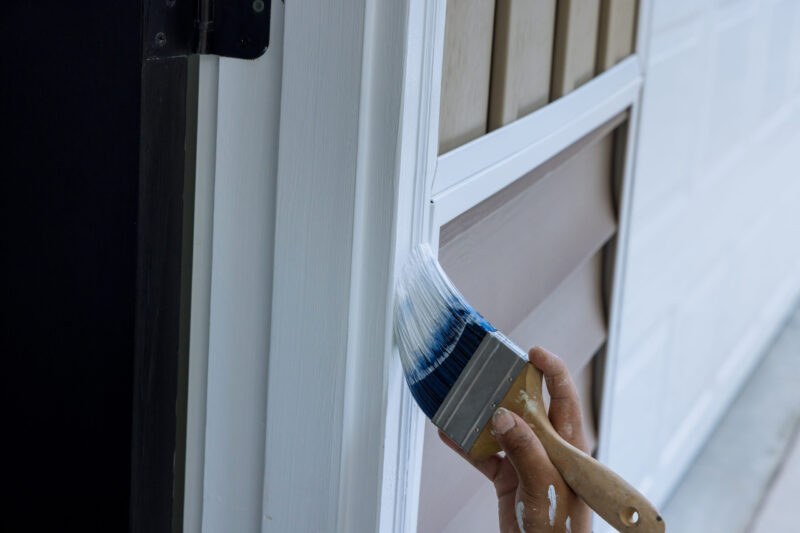
When it comes to painting your home’s exterior, timing is everything. The right season can make a significant difference in the longevity and quality of your paint job. Weather conditions play a crucial role in how well paint adheres to surfaces and dries, which is why choosing the ideal time of year for exterior painting is essential. Check out what our Marlborough exterior painters have to say when it comes to the best seasons for painting your home’s exterior and how weather can impact the outcome.
Spring: A Fresh Start
Spring is an excellent time to paint your home’s exterior. As winter fades, mild temperatures between 50°F and 85°F offer ideal conditions for painting. These temperatures allow paint to dry and cure properly, leading to a smooth, long-lasting finish. While spring can bring rain, overall humidity levels are lower compared to summer, helping the paint dry faster and reducing issues like blistering. Longer daylight hours also provide more time to complete the job. However, it’s important to check the weather forecast and avoid painting on rainy or windy days, which can affect the outcome.
Summer: Proceed with Care
Summer is a popular season for exterior painting, but it requires careful planning. Consistent warmth during summer helps paint dry and cure quickly, and the risk of rain is typically low. However, extreme heat can be a problem. If temperatures exceed 85°F, avoid painting during the hottest parts of the day. Early mornings and late afternoons are the best times to paint in summer. In regions with high humidity, it’s crucial to monitor moisture levels, as excessive humidity can cause paint to bubble or crack. High-quality paint with UV protection can also prevent sun damage.
Fall: An Ideal Season
Fall offers some of the best conditions for exterior painting. Cooler temperatures, usually between 50°F and 75°F, provide optimal drying conditions, similar to spring. Fall’s stable weather patterns make it easier to plan your project without worrying about sudden rain or storms. Lower humidity levels also reduce moisture-related paint problems. To avoid issues, aim to complete your project before the first frost, as cold temperatures can prevent proper paint adhesion.
Winter: Only in Warm Climates
Winter is generally not ideal for exterior painting due to cold temperatures and unpredictable weather. However, in warmer climates where daytime temperatures stay above 50°F, winter painting is possible with the right precautions. Ensure temperatures meet the paint manufacturer’s guidelines, and be mindful of shorter days, which limit working hours. Watch out for frost or snow, which can affect paint adhesion and finish.
K&G Painting & Remodeling | Marlborough Exterior Painters
Looking for reliable Marlborough exterior painters to help with your next project? Give our team a call today to schedule an appointment. For more information on all of our services, we encourage you to check out our website or contact us today!